Queen Elizabeth Hunting Lodge gardeners Chingford restoration: a practical guide to sensitive heritage garden work
Restoring the outdoor setting around a historic site is never just a gardening job. With Queen Elizabeth Hunting Lodge gardeners Chingford restoration, you are dealing with a space that needs care, judgement, and a proper respect for the building it surrounds. The work has to look good, support the character of the site, and still be manageable long after the tools are packed away.
That is the balance this guide focuses on. Whether you are helping maintain a formal approach, improving planting around a heritage property, or simply trying to understand what good restoration work should look like in Chingford, you will find clear, practical advice here. No fluff. No jargon for the sake of it. Just the sort of detail that helps a project run more smoothly, especially when preservation and presentation matter at the same time.
In a place like this, small choices matter. The wrong pruning cut, a heavy-handed tidy-up, or a planting plan that ignores the building's style can throw everything off. The right approach, though, can make the whole setting feel calmer, more coherent, and better cared for. And yes, that really does show up in the finished result.
For readers wanting a broader view of the services and support available, the services overview is a useful place to start. If you want to understand the team behind the work, take a look at the about us page too.
Table of Contents
- Why Queen Elizabeth Hunting Lodge gardeners Chingford restoration matters
- How Queen Elizabeth Hunting Lodge gardeners Chingford restoration works
- Key benefits and practical advantages
- Who this is for and when it makes sense
- Step-by-step guidance
- Expert tips for better results
- Common mistakes to avoid
- Tools, resources and recommendations
- Law, compliance, standards, or best practice
- Options, methods, or comparison table
- Case study or real-world example
- Practical checklist
- Conclusion
- Frequently asked questions
Why Queen Elizabeth Hunting Lodge gardeners Chingford restoration Matters
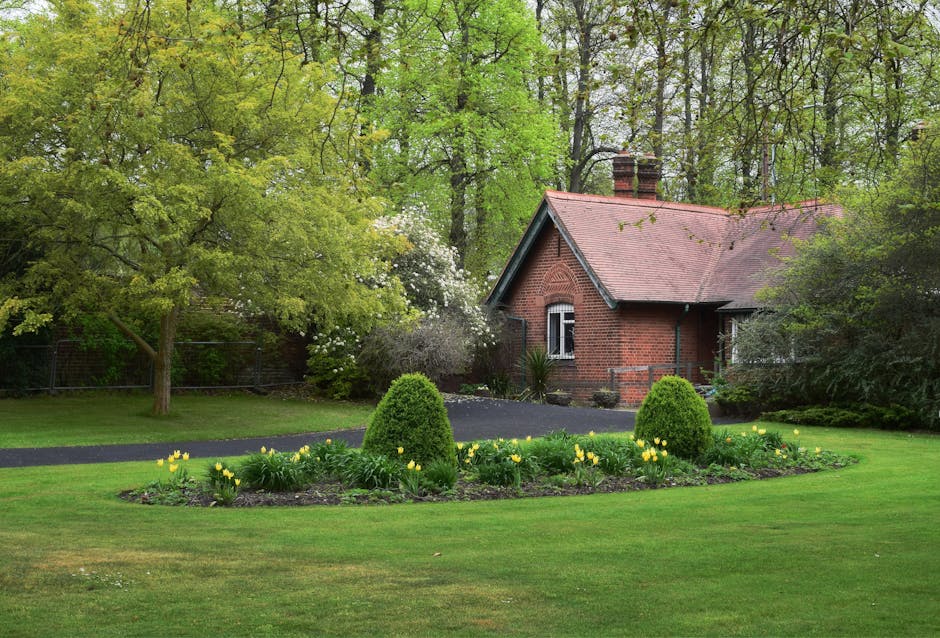
Heritage garden work has a different job to ordinary domestic gardening. Around a site such as Queen Elizabeth Hunting Lodge, the landscape is part of the visitor experience. The planting, edges, paths, views, and transitions between built structure and green space all influence how the place feels. If the garden is overgrown, uneven, or out of character, the building can lose some of its presence. If it is restored carefully, the whole site feels more legible and welcoming.
That is why restoration matters. It is not simply about making things neat. It is about bringing back structure, readability, and appropriate planting without flattening the history of the place. The work often needs to respect older forms, simpler palettes, and maintenance routines that suit a heritage setting rather than a modern show garden. Truth be told, that takes a steadier hand than people expect.
In Chingford, the local context matters too. Weather exposure, seasonal leaf fall, footfall, and the practical realities of working around a visitor-facing site all shape the job. You need an approach that is attractive in spring, resilient in summer, and still decent in the damp, messy weeks of autumn. Heritage landscapes can look effortless when done well. They are not effortless. Not even close.
There is also a reputational angle. A restored setting supports education, enjoyment, and trust. Visitors often notice the garden before they understand the building's history. That first impression counts. A well-managed approach signals care, stewardship, and continuity. It says: this place is looked after properly.
Expert summary: Good restoration around a heritage lodge is less about visual perfection and more about balance: period-sensitive planting, safe access, tidy edges, and maintenance that can be sustained without constant rescue work.
How Queen Elizabeth Hunting Lodge gardeners Chingford restoration Works
Heritage garden restoration usually begins with observation, not action. That may sound obvious, but it is where many rushed jobs go wrong. Before a spade goes in, a good gardener will assess what is already there: surviving planting, soil condition, access routes, evidence of previous layouts, drainage issues, and any areas where overgrowth has concealed the original shape of the space.
From there, the work tends to follow a sequence. First comes clearance, but only the kind needed to reveal structure rather than strip everything bare. Then comes pruning, edging, soil improvement, and replanting or rebalancing existing beds. If the space includes lawns, hedging, borders, or ornamental features, those elements are usually treated as parts of one joined-up picture. You cannot restore one piece in isolation and expect the whole thing to make sense.
The best restoration work also keeps maintenance in mind. What happens after the first tidy-up? Who will cut, mulch, weed, deadhead, and monitor plant health over the seasons? A beautiful result that collapses within three months is not restoration; it is a temporary clean-up. A proper plan always asks what will still look good in the rain, after a busy week, or once the spring flush has passed.
For practical project planning, many clients also want to understand pricing, scope, and what is included. That is where pricing and quotes information can help frame the conversation early. It is much easier to agree expectations before the work begins than after a surprise has crept in. And let's face it, surprises are rarely the good kind in restoration.
Typical stages in a heritage garden restoration
- Site review: identify condition, hazards, and historic character.
- Prioritisation: separate urgent safety issues from aesthetic improvements.
- Selective clearance: remove only what is blocking the site's structure or causing harm.
- Soil and plant assessment: check whether plants can be retained, divided, or replaced.
- Restorative work: prune, edge, replant, mulch, and rebalance the layout.
- Aftercare plan: set out seasonal maintenance so the effect lasts.
Key Benefits and Practical Advantages
The clearest benefit is visual. A restored heritage garden immediately looks more intentional. Paths feel more open, views become cleaner, and planting once again supports the architecture instead of hiding it. At a site connected with the Queen Elizabeth Hunting Lodge, that relationship between building and landscape is especially important.
There are practical benefits too. Better structure often means safer movement around the site, clearer access for visitors, and fewer issues caused by overcrowded borders or invasive growth. Restored beds are usually easier to inspect and maintain, which matters when a property needs steady care rather than occasional intervention.
Another benefit that often gets overlooked is plant health. Old, congested, or poorly matched planting can struggle for light, water, and air circulation. Sensitive restoration gives plants room to breathe, which can reduce disease pressure and improve long-term performance. You do not need a botanical lecture to see the difference; a border that has been opened up properly simply looks healthier.
There is also the value of continuity. Heritage sites do well when they feel cared for year after year, not just polished for a single season. A thoughtful gardener keeps the site's personality intact while gently improving it. That is the sweet spot.
- Improved visitor experience: cleaner sightlines, tidier edges, and a more welcoming arrival.
- Reduced maintenance pressure: work is shaped to be sustainable, not just dramatic.
- Better plant performance: healthier spacing and more suitable soil care.
- Stronger heritage presentation: the landscape supports the historic character of the lodge.
- Lower risk of avoidable damage: careful methods reduce stress on old features and planting.
Who This Is For and When It Makes Sense
This kind of work is relevant to a few different people, and not all of them are thinking about it in the same way. Site managers may want a dependable plan that keeps the grounds presentable without drifting into over-maintenance. Heritage or conservation teams may be focused on preserving the landscape's character. Local organisations or property custodians may simply need a skilled pair of hands to bring an overgrown area back under control without making it look raw.
It also makes sense when the site is entering a new phase of care. Maybe the garden has been neglected for a while. Maybe seasonal work has become too reactive. Or maybe the existing layout is fine, but it no longer frames the lodge as well as it should. In those situations, restoration is often more efficient than endlessly patching up the same problems.
If you are deciding whether to commission this kind of work, ask yourself a simple question: are we trying to improve appearance only, or do we need a lasting structure that can be maintained properly? The answer usually shapes the whole job.
For organisations comparing different levels of support, a wider look at available gardening services in Chingford can help identify whether you need one-off restoration, ongoing maintenance, or a mix of both.
Step-by-Step Guidance
The cleanest way to approach Queen Elizabeth Hunting Lodge gardeners Chingford restoration is to work methodically. Rushing tends to produce either damage or disappointment. Neither is much fun.
1. Start with a careful site walk
Walk the ground before any cutting begins. Look at boundaries, beds, tree canopies, drainage, bare patches, and any spots where visitors naturally pause. Notice what feels hidden, cramped, unbalanced, or just tired. A lot can be learned in ten minutes if you slow down enough.
2. Decide what must be preserved
In heritage settings, restraint matters. Some plants may be part of the site's established character even if they are not perfect specimens. Existing features, lines, and proportions should be judged carefully. Do not assume older means obsolete.
3. Remove only what undermines the whole picture
Selective clearance is usually better than blanket removal. Take out dead, unsafe, diseased, or wildly out-of-place growth first. Then step back and reassess. It is easy to remove too much when the garden suddenly looks "open." That open feeling can become a blank, slightly sad feeling very quickly.
4. Restore structure before focusing on decoration
Edging, hedging, path definition, and border shape come before ornamental tweaks. The bones of the garden matter. Once they are sound, the finer details are much easier to get right.
5. Improve soil and planting conditions
Restoration often exposes compacted ground, poor drainage, or depleted soil. Add compost or other organic matter where suitable, and avoid overworking wet soil. In our experience, a modest improvement done properly is worth far more than a dramatic intervention done badly.
6. Replant with the site in mind
Choose planting that suits the light, the exposure, and the historic tone of the setting. In a heritage landscape, the aim is often cohesion rather than novelty. Think texture, seasonal rhythm, and durability. Flashy plant choices can be fine in the right place. Around a historic lodge, they often feel a bit loud.
7. Put maintenance on paper
The best restoration includes the next six to twelve months, not just day one. Make a plan for pruning, weeding, deadheading, mowing, monitoring, and seasonal adjustment. Without that, even the best work slowly drifts.
Expert Tips for Better Results
If you want the finished work to feel genuinely right, the details matter. Here are the things experienced gardeners tend to notice early.
- Work in layers. Do not strip and replant all at once unless the site truly needs it. A phased approach often protects character better.
- Respect sightlines. Heritage settings depend on how the eye moves from building to garden and back again.
- Use repetition carefully. Repeated plants or shapes can give calm and order, but too much repetition can flatten the character.
- Keep edges crisp. A clean edge often does more for perceived quality than an expensive planting choice.
- Think about wet weather. London rain will reveal drainage or access issues fast. Very fast.
- Leave room for growth. Young planting should not be crammed in just to look full on day one.
Another useful habit is to photograph the site before, during, and after each stage. That is not just for records. It helps you catch subtle shifts in balance. Sometimes you only realise one border is too heavy when you see it in a photo, which is a bit annoying, but useful all the same.
For teams that want reassurance around working practices, it can help to review the company's health and safety policy and insurance and safety information before work starts. That is especially sensible on sites with public access, uneven ground, or valuable historic features.
Common Mistakes to Avoid
The most common mistake is over-cleaning. People see overgrowth and assume the answer is to remove everything that looks untidy. But a heritage garden is not a supermarket car park. It needs rhythm, age, and some softness. If you clear too aggressively, the result can feel harsh and oddly unfinished.
Another mistake is choosing plants for instant impact rather than long-term fit. A plant that looks striking in the nursery may be wrong for the site's light levels, soil, or style. That can create repeated replacement costs, which nobody wants.
Some projects also fail because maintenance is treated as an afterthought. Restoration without aftercare is like sweeping the floor and then leaving the window open in a storm. It does not last.
- Removing historic character along with unwanted growth.
- Ignoring drainage, compaction, or soil condition.
- Using planting that is too modern or visually loud for the setting.
- Forgetting access needs for staff and visitors.
- Skipping a maintenance plan after the initial restoration.
- Working without clear agreement on scope and expectations.
There is also a softer mistake: assuming the job is "finished" the moment it looks tidy. Often, the real work starts after that first reveal. The next few visits, the follow-up cuts, the first weed check, the first wet week - that is where good restoration proves itself.
Tools, Resources and Recommendations
The best tools for this kind of work are the ones that help you stay precise rather than dramatic. That usually means quality hand tools, controlled cutting equipment, edging tools, rakes, spades, mulch materials, and appropriate protective gear. For larger or more complex sites, access equipment and waste handling arrangements may also be necessary.
Good resource planning is just as important as tools. You need to know where cuttings will go, which areas must remain undisturbed, and whether there are access restrictions around the lodge or visitor paths. A tidy plan saves time later. It also reduces the chance of those awkward mid-project pauses that make everybody stare at the same pile of branches for ten minutes.
If sustainability is a concern, look at how green waste, old mulch, and unwanted organic material will be handled. The recycling and sustainability approach can be a useful part of planning, especially if the project involves recurring maintenance rather than a one-off tidy-up.
| Need | Best approach | Why it helps |
|---|---|---|
| Overgrown borders | Selective clearance and staged pruning | Protects character while improving structure |
| Poor soil condition | Soil improvement and mulching | Supports long-term plant health |
| Visitor-facing paths | Clear edging and safe access checks | Reduces trip hazards and improves presentation |
| Historic planting style | Species chosen for tone and resilience | Keeps the landscape coherent with the lodge |
| Ongoing upkeep | Seasonal maintenance schedule | Prevents the garden sliding back into decline |
Law, Compliance, Standards, or Best Practice
Heritage restoration work does not usually mean one single rulebook, but it does require responsible practice. If the site is publicly accessible, health and safety should be taken seriously. That includes checking surfaces, managing tools carefully, considering manual handling, and planning work so it does not create unnecessary risk for visitors or staff.
It is also sensible to think about access, equality, and communication. If people need to move through or around the site while work is underway, the plan should be clear and safe. Good contractors also keep straightforward records of what was done, what was left in place, and why. That matters more than people think, especially on sensitive sites.
Where preservation is involved, best practice usually means minimum intervention, reversibility where possible, and respect for the site's established character. In plain English: do the least intrusive thing that actually solves the problem, and do it neatly. That principle tends to age well.
For readers who want to understand general working standards and client expectations, the site's terms and conditions, payment and security details, and accessibility statement may also be useful. They help set expectations around service, communication, and user experience.
Options, Methods, or Comparison Table
Not every restoration project needs the same level of intervention. Sometimes a light touch is enough. Other times, the site needs a more thorough reset. Below is a simple comparison to help frame the choice.
| Approach | Best for | Pros | Trade-offs |
|---|---|---|---|
| Light restoration | Mostly healthy, slightly untidy heritage gardens | Protects existing character, lower disruption | May not solve deeper structural issues |
| Moderate restoration | Overgrown areas with some sound features remaining | Improves form, safety, and planting balance | Needs more planning and follow-up |
| Full restoration | Severely neglected or restructured sites | Creates a fresh, coherent landscape plan | More labour, more cost, and greater disruption |
For most heritage settings, moderate restoration is often the sweet spot. It gives enough room to improve the garden meaningfully without erasing what has survived. That said, every site is different. A good gardener will judge the work by the space in front of them, not by a template.
Case Study or Real-World Example
Picture a Chingford site where the approach to a historic building had slowly become crowded with self-seeded growth, uneven edges, and a few shrubs that had simply outgrown their space. The lodge itself was still strong and elegant, but the setting no longer framed it properly. Visitors arriving in late summer saw foliage first, building second. Not ideal.
The restoration began with selective clearance. Nothing dramatic. Just enough to reveal the shape of the ground and recover lost sightlines. Next came careful pruning, border definition, and a rethink of the planting balance so the approach looked calmer and more intentional. The team avoided ripping out everything at once, because that would have made the site feel stripped and exposed.
After the first round of work, the difference was immediate. The building sat more naturally in its landscape. Visitors had a clearer route in. The edges looked maintained rather than merely cut back. A few months later, the real test came with wet weather and regular foot traffic. Because the plan had included aftercare, the site held up. It still looked like itself, only better. That is the kind of result people usually want, even if they do not always say it that plainly.
If a similar project is on your mind, the next step is usually a discussion of scope, timing, and practical access. The simplest way to begin is by reviewing the main contact options and asking for a clear initial conversation rather than guessing your way through it.
Practical Checklist
Use this checklist before work begins. It keeps the project grounded, which is handy when everyone has opinions about what "needs doing."
- Confirm the site's restoration goals: visual, practical, or both.
- Identify features that must be preserved.
- Review access routes and visitor movement.
- Check soil condition and drainage concerns.
- Decide whether work should be phased or completed in one visit.
- Agree on waste handling and sustainability measures.
- Clarify aftercare responsibilities and timing.
- Review safety arrangements for tools, surfaces, and public access.
- Set a realistic budget and scope.
- Confirm communication channels for updates and approvals.
If you are collecting quotes, it can also help to compare scope rather than just price. The cheapest option is not always the best one, especially where heritage character is at stake. A slightly more considered plan often saves money later. That's the boring truth, but it is true.
Conclusion
Queen Elizabeth Hunting Lodge gardeners Chingford restoration is really about stewardship. It is about making a historic setting look cared for without sanding off its personality. The best results come from careful observation, selective intervention, and a maintenance plan that keeps the site steady through the seasons.
When restoration is handled well, the lodge feels more visible, the garden feels more coherent, and the whole place becomes easier to enjoy and easier to look after. That is a good outcome for visitors, caretakers, and the building itself. Not flashy. Just right.
For anyone planning a project like this, start with the basics: define the goal, confirm the scope, and choose a team that understands heritage-sensitive work. If you are ready to move forward, a clear conversation is usually the best next step.
Get a free quote today and see how much you can save.
And if you want to know more about the people behind the service, you can read the company background or review the complaints procedure and modern slavery statement for added peace of mind. Good service is not only about the finished border. It is also about how the work is handled from start to finish, quietly and properly.
Frequently Asked Questions
What does Queen Elizabeth Hunting Lodge gardeners Chingford restoration actually involve?
It usually involves careful clearance, pruning, border reshaping, soil improvement, replanting where needed, and planning for ongoing maintenance. The aim is to restore structure and character without damaging heritage value.
How is heritage garden restoration different from normal garden tidy-up work?
A tidy-up focuses on appearance in the short term. Restoration takes the longer view. It considers historic character, plant suitability, access, and how the garden will look and function after several seasons, not just on the day of the visit.
Can a restored garden still feel natural rather than overly formal?
Yes, absolutely. In fact, that is often the goal. Good restoration does not mean forcing everything into a rigid pattern. It means improving clarity, balance, and care while keeping the site's original feel intact.
How do I know whether my site needs light or full restoration?
If the main structure is still visible and the garden is basically healthy, light restoration may be enough. If access is blocked, planting has collapsed, or the layout no longer reads clearly, a fuller approach may be needed. A site visit usually gives the best answer.
Is restoration work disruptive to visitors or staff?
It can be, but a good plan reduces disruption. Work can be phased, access routes can be managed, and the most sensitive areas can be scheduled carefully. On public sites, that practical coordination matters a lot.
How long does a heritage garden restoration usually take?
That depends on the size of the site, the amount of overgrowth, and whether planting changes are included. Some jobs are straightforward and quick; others need staged visits across several days or weeks. It is best to agree the scope first rather than guess.
What plants work best around a historic lodge setting?
Usually, plants that suit the local soil, light, and maintenance level are best. The exact choice depends on the style of the site, but resilience, proportion, and visual harmony are often more important than novelty.
Do I need ongoing maintenance after restoration?
Yes, if you want the result to last. Restoration can reset the garden, but maintenance keeps it there. Seasonal pruning, weeding, edging, and monitoring stop the site drifting back into decline.
How do safety and access concerns affect the work?
They shape everything from tool choice to work timing. Surfaces, pathways, public access, and manual handling all need to be considered. On a site with visitors, safety planning is part of the job, not an optional extra.
What should I ask for in a quote?
Ask what is included, what is excluded, how waste will be handled, whether aftercare is covered, and how the work will be staged. A clear quote should help you compare like with like, which is surprisingly easy to get wrong.
Can restoration improve the value or appeal of a historic site?
It can improve appeal, presentation, and the overall experience of the place. Whether that translates into measurable value depends on the property and its use, but a well-kept setting certainly helps visitors feel the site is cared for.
What if I am not sure where to begin?
Begin with a simple assessment and a conversation about goals. You do not need every answer on day one. A good project starts with clarity about what matters most, then builds from there, one sensible step at a time.