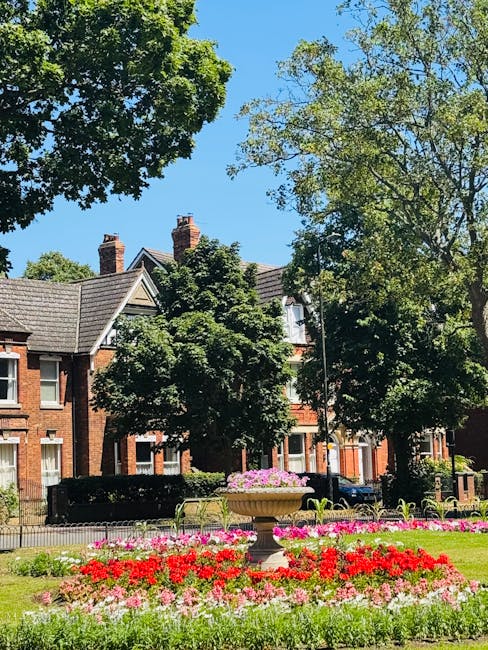
Best gardeners near Chingford Station for small front gardens
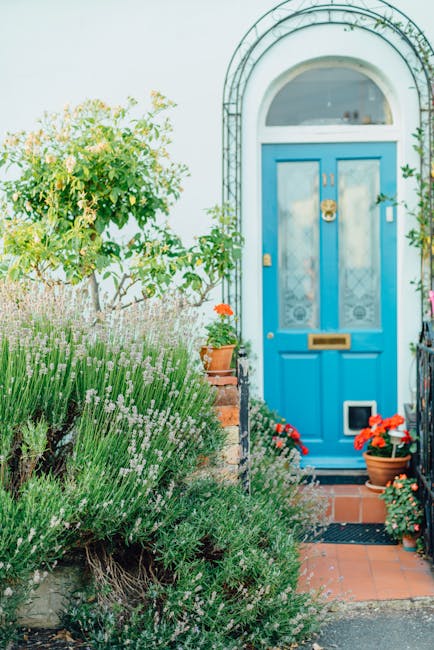
If your front garden near Chingford Station is small, awkward, or just a bit tired-looking, the right gardener can make a huge difference without turning your driveway into a building site. The best gardeners near Chingford Station for small front gardens know how to work neatly, move quickly, and improve the space in ways that actually suit real homes, not glossy magazine spreads. That matters because a tiny frontage can be easy to neglect and surprisingly hard to get right. One wrong plant, one overgrown hedge, and suddenly the whole place feels cramped. This guide walks through what to look for, how the work usually happens, and how to choose the right help with confidence.
Small front gardens need a different approach from larger back gardens. They need proportion, restraint, and a clean finish. They also need someone who understands local conditions, practical access, and the kind of tidy, low-fuss maintenance that keeps a small space looking good week after week. Let's get into the details.
Why Best gardeners near Chingford Station for small front gardens Matters
A front garden is the first thing you see when you come home. It is also the first thing neighbours, visitors, and delivery drivers notice. In a small space, every plant, line, and edge carries more visual weight. That is why the best gardeners near Chingford Station for small front gardens are not simply "gardeners who can mow". They are people who understand design discipline, tidy maintenance, and the practical realities of a compact plot.
Near a station area, homes often have little time between busy routines and weather-beaten spaces. You may want something neat, easy to maintain, and smart enough to lift kerb appeal without constant attention. A small front garden can be lovely, but it has to earn its keep. It should frame the house, not fight it. It should look deliberate, not crowded.
There is also the matter of access. Small front gardens often sit close to paths, railings, steps, bay windows, bins, cars, and narrow entry points. That means the gardener needs to work cleanly and carefully. To be fair, there is nothing glamorous about dragging muddy cuttings through a tiny front gate at 8 a.m. Good gardeners notice that stuff. They plan around it.
For many households, the goal is simple: keep things tidy, make the entrance feel welcoming, and avoid turning a compact garden into a maintenance headache. If that sounds familiar, you are in the right place.
How Best gardeners near Chingford Station for small front gardens Works
Good small-garden work usually starts with a quick but thoughtful assessment. The gardener will look at the shape of the space, what gets sun or shade, how much pruning is needed, whether the soil is workable, and how much time you want to spend on upkeep. That first look matters more than people think. A tiny front garden can be transformed by one clear decision: simplify what is there and sharpen the edges.
The process typically includes some mix of the following:
- clearing dead leaves, weeds, and loose debris
- cutting back overgrown shrubs or hedges
- reshaping beds and borders
- refreshing mulch or soil topping where needed
- tidying lawn edges or removing a patchy lawn altogether
- choosing compact plants with sensible growth habits
- improving lines, symmetry, and the view from the street
For many small front gardens, the answer is not "more". It is less, but better. Less clutter. Fewer awkward plants. Fewer things to trim every fortnight. In some cases, a simple maintenance package is enough. In others, the space needs a more structured refresh, which may involve the broader approach covered in landscape gardening or a one-off tidy-up through garden maintenance.
If the area has become heavily overgrown, a cleaner reset may be best before any design work starts. That is where garden clearance can be the right first step. Small gardens do not always need major intervention, but when they do, starting with a clean slate avoids wasted effort. Simple, really.
Key Benefits and Practical Advantages
Choosing a capable local gardener for a small front garden brings benefits that are both aesthetic and practical. Some are obvious, some only become obvious once the work is done and you realise how much easier life feels.
- Better kerb appeal: A neat frontage makes the whole home feel cared for.
- Less weekly effort: Good plant choices and proper shaping reduce the amount of ongoing trimming.
- Smarter use of space: A small garden looks bigger when it is not overcrowded.
- Safer access: Clear paths, tidy edges, and reduced debris lower trip hazards.
- Seasonal resilience: The right plants and maintenance plan handle weather changes better.
- More consistent presentation: A compact space can be kept looking sharp with minimal disruption.
One of the biggest advantages is confidence. You stop wondering whether the garden is "bad" and start seeing it as a small asset. That sounds minor, but it changes how a home feels from the street. And yes, people do notice. Maybe not in a dramatic way, but they notice.
For homes with hedges, fences, or boundary planting, a gardener can also keep vertical growth under control so the front of the property does not feel boxed in. If that is an issue, hedge trimming is often one of the most effective services for restoring shape quickly.
Who This Is For and When It Makes Sense
This kind of service makes sense for a wide range of homeowners and landlords. You might need it if your front garden is too small to manage comfortably, if it has become overgrown, or if you simply want it to look better without spending your weekends on it. Truth be told, tiny gardens are often the ones people leave until the problem grows teeth.
It is especially useful for:
- busy families who need low-maintenance kerb appeal
- older homeowners who prefer lighter upkeep
- landlords preparing a property for tenants or viewings
- homeowners selling and wanting the frontage to look crisp
- people with narrow or awkward plots that never seem to settle
- commuters who do not want gardening chores eating into evenings
You may also find it helpful if the garden has a mixed role. Many front gardens near London homes are partly decorative, partly functional. They may hold bins, bikes, paths, meters, or access routes. In that case, the work is less about creating a showpiece and more about achieving calm, order, and a decent first impression. No drama. Just a better little space.
If you want a broader service picture, the site's services overview is a useful place to understand how different garden tasks fit together.
Step-by-Step Guidance
If you are trying to decide what to ask for, it helps to think in stages. Small front gardens respond best to a measured process. Rushing straight into planting without sorting structure is a bit like painting a hallway before fixing a wonky door. It looks fine for a moment, then annoys you every day.
- Assess the space honestly. Look at sunlight, drainage, access, privacy, and what the garden actually does for the house.
- Remove the obvious problems. Clear weeds, dead growth, broken pots, loose branches, and clutter that steals space.
- Decide what stays. Keep plants or features that suit the scale of the garden. Remove anything oversized or high-maintenance.
- Shape the edges. Straight, clean borders make a small frontage feel intentional.
- Choose compact planting. Pick plants that will not outgrow the space in six months and start squabbling with each other.
- Set maintenance frequency. Agree how often mowing, trimming, or tidy-ups are needed to keep the result sharp.
- Review after the first visit. See how the garden behaves for a few weeks before making more changes.
For many homes, the practical path is not one big makeover, but a tidy baseline followed by routine care. A regular cut through lawn mowing services, for example, can keep a tiny lawn from becoming scruffy in no time. If the front garden is mostly hard edges and planting rather than grass, that maintenance may be lighter, but it should still be regular.
Expert Tips for Better Results
The best results usually come from restraint. Small front gardens look better when each element has a job to do. A plant should soften, frame, or add texture. A hedge should define. A path should guide the eye. If something does not help the space, it probably does not belong there. Harsh but true.
Here are a few practical tips that make a real difference:
- Keep the colour palette tight. A small frontage rarely benefits from too many competing colours.
- Use repetition wisely. Repeating one or two plant types creates calm.
- Prioritise clean edges. Edging can make a tiny garden look almost newly built.
- Leave enough breathing room. Plants need space to mature without swallowing the whole plot.
- Think vertical, but gently. If you need height, use it carefully so the garden does not feel narrow.
- Ask about upkeep before planting. A lovely plant that needs constant fussing is not always the right answer.
In our experience, homeowners are often surprised by how much the small details matter. A fresh border line. A couple of shrubs cut back properly. A path swept clean in the late afternoon light. It sounds ordinary, but the whole entrance feels calmer.
If you care about how the finished space holds up, it is worth checking standards around safety, insurance, and service practices before booking any work. The company's insurance and safety page and health and safety policy are sensible places to review that side of things.
Common Mistakes to Avoid
Small front gardens tend to fail for familiar reasons. The good news is that most of them are avoidable. The bad news? People keep making them anyway.
- Overplanting: Too many plants make a tiny garden feel trapped.
- Choosing fast-growing species without a plan: They can look great for a month, then get bossy.
- Ignoring access routes: Narrow paths need tidy edges and sensible widths.
- Neglecting regular maintenance: Small spaces show neglect quickly.
- Mixing too many styles: Formal edging, wild planting, and decorative clutter can fight each other.
- Skipping the initial tidy-up: You can't design around mess forever.
Another common mistake is focusing only on plants. Sometimes the best improvement is structural: better edging, cleaner paving, or a more balanced layout. A small front garden can absolutely be beautiful without being heavily planted. It does not need to shout.
There is also a practical point. If the garden includes tired timber, worn borders, or a small raised area, some people consider hard landscaping touches. In the right space, landscaping or even decking services may be worth exploring, though only if they genuinely suit the frontage and do not overwhelm it.
Tools, Resources and Recommendations
Not every small front garden needs a dramatic service package. Sometimes the best gardeners near Chingford Station for small front gardens are the ones who combine a few focused services in the right order. That usually gives better value and a better finish than buying random extras.
Useful services and resources to consider include:
- garden maintenance for regular upkeep
- lawn mowing for lawns that need neat, frequent cutting
- hedge trimming for borders and privacy hedges
- garden clearance for neglected or cluttered areas
- landscape gardening for layout improvements
For cost planning, a clear quote process matters. Small jobs can look simple until access, waste removal, or extra trimming is added. The company's pricing and quotes information should help set expectations before any work begins. It is a sensible step, especially if you are comparing a one-off tidy with ongoing maintenance.
If you are someone who likes the practical stuff nailed down, ask about payment process, security, and how quotes are confirmed. The payment and security page can help with that peace of mind. It is not glamorous, I know, but it matters.
Law, Compliance, Standards, or Best Practice
For small front gardens, the main compliance issues are usually straightforward, but they should still be taken seriously. Work should be carried out safely, with proper care around tools, footpaths, neighbouring properties, and any plants or structures that may be shared or close to boundaries. If a gardener is trimming near public access, using ladders, or handling larger branches, sensible safety practice is not optional.
In the UK, the best approach is to use a gardener or gardening company that follows standard safety procedures, carries suitable insurance, and communicates clearly about the work. That means good housekeeping, sensible waste handling, and a tidy work area. It also means no cutting corners just because the space is small. Small does not mean risk-free. Far from it.
Recycling and waste disposal also matter. Even a compact front garden can produce a surprising pile of clippings, soil, and old growth after a proper tidy-up. A responsible approach to waste is both practical and respectful to the local area. If sustainability is important to you, the company's recycling and sustainability information is worth checking.
Finally, a good service should have clear terms and a complaints process if something goes wrong. That is just standard trust-building, really. You hope never to need it, but it is reassuring to know the structure exists. The site's terms and conditions and complaints procedure are the right places to look.
Options, Methods, or Comparison Table
Small front gardens near Chingford Station usually fall into a few broad approaches. The best choice depends on how much time you want to spend, how messy the garden has become, and whether you want a neat refresh or a more noticeable redesign.
| Approach | Best for | Typical outcome | Ongoing upkeep |
|---|---|---|---|
| One-off tidy-up | Small gardens that are basically okay but look tired | Cleaner edges, removed clutter, better first impression | Low to medium |
| Regular maintenance | Busy homeowners who want consistent presentation | Stable, neat appearance through the seasons | Low, but scheduled |
| Light redesign | Awkward or overcrowded front gardens | Improved layout, better proportions, smarter planting | Medium |
| Full clearance then rebuild | Heavily overgrown or neglected spaces | Clean reset and room to start over properly | Varies by design |
If you are undecided, a one-off tidy-up is often the safest starting point. It lets you see the space properly again. Once the garden is visible, decisions become easier. Funny how that works.
Case Study or Real-World Example
Picture a small Chingford front garden on a typical weekday morning: a narrow path, a couple of shrubs that have taken over their own postcode, a patchy lawn, and enough weeds to make the whole place look busier than it really is. Nothing dramatic. Just the kind of frontage people keep meaning to sort out "next month".
A sensible gardener would not rush in and rip everything out. First, they would clear the debris and cut back the overgrowth. Then they would look at the shape from the street. What needs softening? What is making the entrance feel tight? What can be removed without making the garden feel bare?
In a case like this, the best results usually come from three moves: reduce clutter, sharpen the edges, and simplify planting. A small hedge might be trimmed to sit neatly under a window line. A strip of lawn might be reduced or replaced with easier planting. Borders could be cleaned, edged, and mulched so they look settled rather than scruffy.
The end result is not flashy. That is the point. The house looks cared for. The path feels wider. The entrance breathes a bit. And the homeowner stops wincing every time they come up the walk with shopping bags. That, honestly, is a pretty good outcome.
Practical Checklist
Use this checklist before booking the best gardeners near Chingford Station for small front gardens:
- Is the garden mainly for kerb appeal, access, or both?
- Do you want a one-off tidy or ongoing maintenance?
- Are there hedges, shrubs, or lawns that need regular care?
- Would a clearance be helpful before any design work?
- Do you need the space to stay low-maintenance?
- Is the gardener able to work neatly around steps, paths, and narrow access?
- Have you checked pricing, payment, and service terms?
- Do you understand what is included in the quote?
- Have you considered sustainability and waste handling?
- Do you know how often the garden will need follow-up visits?
Quick expert summary: For a small front garden, the best result is usually the simplest one that stays tidy for longer. Focus on proportion, clean lines, sensible planting, and a maintenance plan you can actually keep up with. That combination beats a complicated makeover nine times out of ten.
If you are ready to talk through the work, the most direct next step is to use the site's contact page and request tailored advice for your frontage. If you want to understand the company first, the about us page is a good starting point too.
Get a free quote today and see how much you can save.
Conclusion
Small front gardens near Chingford Station do not need to be complicated to look excellent. They need care, judgement, and a gardener who respects the scale of the space. The best gardeners near Chingford Station for small front gardens are the ones who understand that tidy edges, proportionate planting, and regular upkeep matter more than flashy ideas. A good little front garden should feel easy, welcoming, and quietly proud of itself.
Whether you need a simple tidy-up, a hedge cut back, or a more complete refresh, the right approach can lift the whole property in a very natural way. Not dramatic. Just better. And sometimes better is exactly what you need.
Frequently Asked Questions
What makes a gardener suitable for a small front garden?
A suitable gardener understands scale, access, and maintenance. They should be comfortable working neatly in tight spaces, shaping borders cleanly, and recommending plants or finishes that will not overwhelm the frontage.
How often should a small front garden be maintained?
It depends on the planting and layout, but many small front gardens benefit from light maintenance every few weeks during the growing season. Lawns and hedges may need more frequent attention than beds or hard landscaping.
Is a one-off tidy enough for a small front garden?
Sometimes, yes. If the garden is generally in good shape, a one-off tidy can reset the space. If you want it to keep looking sharp, though, regular garden maintenance is usually the better long-term choice.
What should I ask before booking a gardener?
Ask what is included, whether waste removal is covered, how access will be managed, what the expected finish will look like, and whether the gardener can suggest lower-maintenance options if needed.
Can a small front garden be low-maintenance and still look good?
Absolutely. In fact, that is often the best outcome. A small frontage with the right structure, compact planting, and clean edges can look excellent without needing constant work.
What if my front garden is overgrown?
If it is heavily overgrown, a garden clearance may be the best starting point. Once the space is clear, it becomes much easier to decide whether to keep, replace, or redesign different parts of it.
Do gardeners near Chingford Station usually handle hedges and shrubs?
Many do, but it is worth checking. For front gardens, hedge trimming is often one of the most valuable services because it restores shape and opens up the space quickly.
How do I know if I need landscaping rather than simple maintenance?
If the garden has poor layout, awkward proportions, drainage issues, or features that no longer work, landscaping may be more appropriate. If it mainly needs tidying and regular care, maintenance is usually enough.
Are small front garden jobs expensive?
They are often more affordable than larger jobs, but cost depends on access, condition, waste removal, and the level of finish required. A clear quote is the best way to avoid surprises.
Should I choose planting or hard landscaping for a small frontage?
That depends on your priorities. Planting gives softness and seasonal interest. Hard landscaping can reduce upkeep and improve structure. Many small front gardens work best with a careful mix of both.
What can make a small front garden look bigger?
Clean edges, fewer competing features, restrained planting, and a clear view line can all make a small frontage feel more open. Even a simple tidy-up can create a surprisingly spacious effect.
Why is sustainability relevant for a small garden job?
Even small garden jobs can create waste, so recycling, responsible disposal, and sensible material choices matter. If that is important to you, check the provider's sustainability approach before work begins.